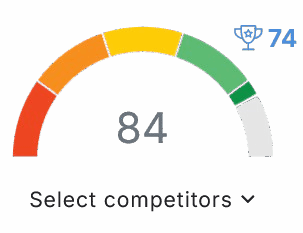

To set up NeuronWriter for better WordPress SEO, start by generating a WordPress application password for secure API integration and link your domain project. Use NeuronWriter’s keyword and competitor analysis to target relevant terms and optimize content with semantic clusters. Align your SEO efforts by setting target countries and languages, then sync and export your optimized content while preserving metadata. Monitoring SERP performance helps you adjust strategies effectively. Keep exploring to reveal more advanced optimization techniques.
Key Takeaways
- Generate a WordPress application password to securely connect NeuronWriter with your WordPress site via API for seamless content synchronization.
- Configure project domains and API endpoints like /get-query for efficient data exchange between NeuronWriter and WordPress.
- Use NeuronWriter’s TOP Analysis to select target keywords, analyze competitors, and optimize content based on real-time SEO metrics.
- Export optimized content with preserved SEO metadata and internal links using NeuronWriter’s single-click WordPress export feature.
- Monitor SEO performance with tools like Google Search Console and AIOSEO to track keyword rankings and improve WordPress content effectiveness.
Connecting Neuronwriter With WordPress

Before you can streamline your SEO workflows, you need to connect NeuronWriter with your WordPress site.
Begin by generating a WordPress application password through the dashboard’s “Users” section—this secures your API integration. Copy the generated password for later use to complete NeuronWriter configuration.

Within NeuronWriter’s user interface, configure your domain-level project and specify API endpoints like `/get-query` to enable seamless data exchange. This setup ensures that you can leverage AI-powered content optimization**** to enhance your SEO strategy.
Use HTTPS-encrypted authentication tokens to protect your communication between the platforms.
Ensuring your WordPress environment supports the necessary PHP and security versions is essential for plugin compatibility.
This setup empowers you to serve your audience by automating content optimization while maintaining security and efficiency.
Creating and Managing Projects Within WordPress
Once you’ve connected NeuronWriter with your WordPress site, you can start creating and managing projects that keep your SEO efforts organized and on track. Use project templates to define clear objectives, timelines, and deliverables. Assign tasks efficiently to team members, ensuring everyone knows their responsibilities. Applying a systematic approach throughout the project phases enhances consistency and success. Additionally, leveraging AI capabilities can further streamline your content creation process. Utilize tools like WP Project Manager Pro or Trello for smooth communication and progress tracking. Visualize workflows with Kanban boards or Gantt charts to maintain momentum and prevent delays.
| Aspect | Purpose | Tool/Method |
|---|---|---|
| Project Templates | Define objectives & scope | Detailed briefs |
| Task Assignments | Delegate responsibilities | WP Project Manager Pro |
| Workflow Visualization | Track progress & milestones | Kanban boards, Gantt charts |
| Communication | Facilitate collaboration | Trello, client dashboards |
Configuring Target Keywords and Competitor Analysis

Although setting up projects within WordPress lays the groundwork, configuring your target keywords and analyzing competitors drives your SEO strategy forward.
Start with thorough target keyword analysis using NeuronWriter’s TOP Analysis tab to evaluate keyword difficulty and content scores. This helps you choose terms your audience truly needs while maximizing ranking potential. NeuronWriter also offers in-depth competitor research to further refine your keyword selection.
Next, explore competitor data—review their SEO metrics and content structure to uncover competitor content gaps, such as missing subtopics or unanswered questions. The platform’s real-time analysis tools help in filling these gaps, allowing you to serve your readers better and stand out in search results.
Use NeuronWriter’s NLP recommendations to integrate relevant entities and conversational questions, enhancing semantic relevance. By aligning your content with proven models and addressing overlooked areas, you create valuable, accessible resources that foster trust and growth.
Setting Target Country and Language for SEO
Setting the right target country and language is essential to guarantee your SEO efforts reach the intended audience effectively. You should prioritize your target country based on market potential and align language specification with hreflang implementation to avoid content confusion. Conducting thorough market research helps identify cultural nuances and search behaviors that influence your SEO strategy, ensuring your keywords resonate locally with each market (Understanding the Global Audience). Additionally, leveraging SEO content optimization can enhance your chances of ranking higher in local search results. Use subdirectories like us/en for clear regional SEO and integrate multilingual plugins such as WPML to manage translations and SEO metadata. Always validate your geotargeting through tools like Google Search Console.
| Task | Key Action | Benefit |
|---|---|---|
| Target Country Selection | Prioritize markets with highest ROI | Focused regional SEO |
| Language Specification | Use hreflang tags & consistent codes | Avoid duplicate content issues |
| Plugin Configuration | Sync WPML with SEO plugins | Streamlined multi-language SEO |
| Geotargeting Execution | Use IP redirect & localized content | Better user experience |
| SEO Metadata Management | Localize titles & descriptions | Improved search relevance |
Initiating SERP Analysis for Content Insights

To access valuable content insights, you need to initiate a thorough SERP analysis. By tracking essential SERP metrics like search visibility, keyword movements, and competitor ranking gaps, you can better serve your audience with content that truly meets their needs. Additionally, incorporating built-in SERP tracking can provide ongoing insights into your content’s performance against competitors.
Integrating tools like AIOSEO with Google Search Console helps you monitor real-time content visibility right within your WordPress dashboard. This lets you identify where your content stands against competitors and spot opportunities in feature snippets or rich results. Since SERPs can differ for the same search query based on user factors like location and browsing history, it’s important to consider these variations in your analysis.
Focus on analyzing cross-device rankings and competitor strategies to fine-tune your approach. With these insights, you’ll optimize your content for higher engagement and improved search performance, ensuring your WordPress site consistently delivers value to those you aim to help.
Utilizing the Contadu Chrome Extension for Real-Time SEO Tips
When you install the Contadu Chrome Extension, you gain instant access to real-time SEO tips directly within your WordPress editor.
This tool offers real-time feedback on keyword density, content gaps, and internal linking, helping you guarantee your articles truly serve your audience’s needs. Additionally, the extension utilizes AI writing tools that streamline the drafting process, allowing for rapid content production without sacrificing quality.
You won’t have to guess if your content relevance hits the mark—it guides you with NLP-based suggestions that sharpen semantic alignment.
Everything happens seamlessly in a sidebar, so you stay focused on writing while optimizing.
Best of all, it requires no coding and supports multi-platform use, letting you maintain consistency across Google Docs and Shopify too.
Additionally, the extension integrates advanced AI templates to ensure your content meets both user intent and search engine requirements, enhancing your overall SEO strategy advanced AI templates.
Synchronizing Content Between NeuronWriter and WordPress

Although NeuronWriter doesn’t offer a native WordPress plugin yet, you can synchronize your content efficiently using third-party platforms like Albato or Zapier.
These tools help you automate publishing while respecting your desired synchronization frequency and secure proper data mapping between NeuronWriter fields and WordPress posts. Albato, for example, offers a 7-day free trial allowing you to explore its seamless integration features before committing. Additionally, the content score system in NeuronWriter ensures that the content you publish is optimized for SEO, enhancing visibility and engagement.
To serve your audience best, focus on these steps:
- Set up triggers in Albato or Zapier to sync content updates instantly or at scheduled intervals, balancing speed and server load.
- Manually map data fields such as titles, SEO metadata, and images to guarantee content consistency and SEO effectiveness.
- Test workflows live to catch errors and confirm smooth content transfer, maintaining your site’s reliability and user trust.
This approach empowers you to deliver optimized, up-to-date content without manual effort.
Exporting Optimized Content With Metadata Preservation
Since preserving SEO metadata is essential for maintaining your content’s search performance, you’ll need to carefully manage the export process from NeuronWriter to WordPress.
Metadata challenges often arise, such as meta descriptions not transferring automatically and formatting issues from manual copying. To overcome this, make sure you enable specific export settings that preserve document structure, image URLs, and internal links. Utilizing NeuronWriter’s intelligent internal link suggestions can help enhance navigation and relevance.
Generate a WordPress API password for secure, seamless content transfer and verify plugin compatibility, especially with SEO tools like Yoast.
Use NeuronWriter’s single-click export feature to reduce errors, then double-check metadata in WordPress immediately after export. It is important to note that the WordPress export feature does not copy meta descriptions, which can affect SEO effectiveness.
If some metadata doesn’t transfer, manually input missing elements or rely on SEO plugins to fill gaps.
Following these steps helps you serve your audience with well-optimized, consistent content.
Leveraging Semantic Term Suggestions for Keyword Optimization

To boost your keyword strategy, you’ll want to leverage semantic term suggestions that NeuronWriter generates by analyzing top-ranking SERPs and competitor content.
This approach guarantees your content aligns with user intent and improves semantic relevance, boosting user engagement. NeuronWriter’s SERP Analysis tool can identify successful content strategies from your competitors, giving you a competitive edge. Additionally, the tool’s content scoring system provides insights to further enhance your optimization efforts.
Focus on term prioritization by evaluating search volume and competition metrics to choose impactful keywords. Organize these into semantic clusters for thorough coverage without overloading your content, maintaining ideal keyword density.
Integrate terms naturally into headings, introductions, body, and conclusions to enhance readability and SEO.
- Analyze competitor content to identify high-value semantic terms.
- Prioritize terms based on search volume, competition, and content intent.
- Integrate terms strategically to support user engagement and internal linking.
This method helps you serve your audience better and rank higher on WordPress SEO.
Monitoring SEO Performance and Adjusting Strategies
When you monitor your SEO performance closely, you can quickly spot what’s working and where adjustments are needed to stay ahead.
Use tools like Google Search Console and AIOSEO’s Search Statistics for real-time analytics review and keyword tracking. NeuronWriter’s AI-driven suggestions can further enhance your content optimization process by identifying areas for improvement.
Regularly evaluate your strategy by reviewing performance metrics such as organic traffic, engagement analysis, and page load times with GTmetrix or WP Umbrella. Monitoring key performance indicators helps ensure your SEO efforts are effective.
Competitor benchmarking helps you identify gaps and refine your content optimization efforts.
Address issues flagged in on-page SEO audits, like missing meta tags or broken links, to strengthen your site’s authority.
Frequently Asked Questions
How Does Neuronwriter Handle Content Plagiarism Detection?
You’ll appreciate NeuronWriter’s plagiarism detection, which scans your content for originality using PlagiaShield. It alerts you in real-time, helping you guarantee unique, trustworthy content that genuinely serves your audience’s needs.
Can I Collaborate With My Team Directly Within Neuronwriter?
Think of NeuronWriter as a lighthouse guiding your team collaboration through foggy seas. You’ll manage projects seamlessly, share insights, and support one another efficiently, ensuring your collective efforts shine brightly toward shared success.
What Are the System Requirements for Installing the Contadu Chrome Extension?
To install the Contadu extension, you’ll need system prerequisites like Windows 10+, macOS Big Sur 11+, or supported Linux, plus the latest Google Chrome. Make sure no firewalls block the extension for smooth collaboration.
How Do I Save and Resume Unfinished SEO Optimization Work?
Think of saving progress as planting seeds—you can pause anytime and resume work effortlessly. NeuronWriter auto-saves your SEO drafts, preserves formatting, and syncs with WordPress, so you serve your audience without losing a single optimized word.
Is It Possible to Integrate Neuronwriter With Google Search Console?
Yes, you can integrate NeuronWriter with Google Search Console. This feature opens up real-time metrics, enhancing NeuronWriter benefits by aligning your content with user data, so you serve others better through precise SEO improvements.
Conclusion
Setting up NeuronWriter for WordPress SEO is like tuning a finely crafted guitar—you get the perfect harmony between your content and search engines. Just as a musician adjusts strings for the best sound, you’ll align keywords, competitors, and content seamlessly. Remember, websites using AI tools like NeuronWriter see up to 30% higher organic traffic. With this smart setup, you’re not just optimizing—you’re composing a masterpiece that search engines can’t ignore.
References
- https://optiwebdesign.com/2024/01/18/how-to-use-neuronwriter/
- https://busymomsidehustle.com/neuronwriter-review/
- https://neuronwriter.com/create-optimize-publish-how-neuronwriter-streamlines-working-with-wordpress/
- https://neuronwriter.com/features/integrations/
- https://neuronwriter.com
- https://www.youtube.com/watch?v=cJXSulFqiYI
- https://albato.com/connect/neuronwriter-with-wordpress
- https://zapier.com/apps/neuronwriter/integrations/wordpress
- https://optiwebdesign.com/2025/04/30/neuronwriter-api-tutorial/
- https://triggergrowth.com/blog/wordpress-project-management/